Human Cell Organelles
Every living being on Earth, from tiny bacteria to humans, i made up of cells. These cells are the basic units of life. In humans, there are trillions of cells that work together to form tissues, organs, and entire body systems.
Inside each cell are smaller parts called organelles. The word “organelle” means “little organ.” Just like organs in our body (like the heart or lungs) have special functions, organelles have their own jobs inside the cell. Together, they keep the cell — and the whole human body — alive and healthy.
Let’s explore the main organelles found in human cells and understand their structure and functions in easy words.
The Nucleus – The Brain of the Cell
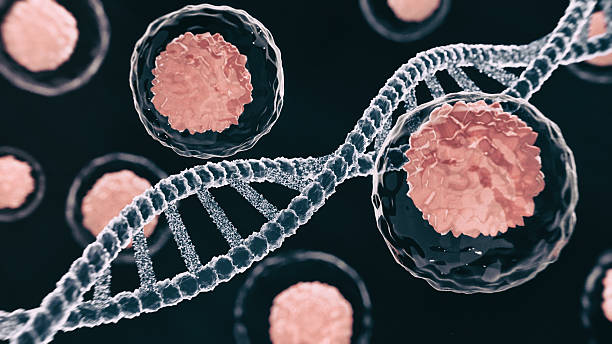
The nucleus is the control center of the Cell Organelles. It stores the cell’s DNA, which carries all the instructions for growth, repair, and reproduction. DNA is like a recipe book that tells the cell what to do.
Inside the nucleus is a smaller structure called the nucleolus, which makes ribosomes — organelles needed to build proteins. Without the nucleus, the cell wouldn’t know how to function properly.
The Cell Membrane – The Protector
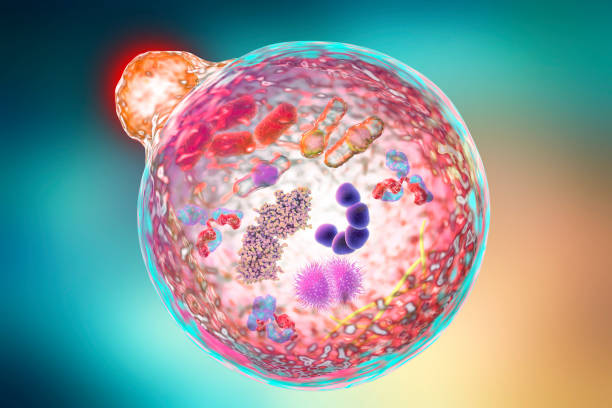
The cell membrane is a thin, flexible layer that surrounds the cell. It acts like a protective barrier and controls what enters and leaves the cell.
It lets in nutrients and oxygen while removing waste products. The cell membrane also helps the cell communicate with other cells, like neighbors talking through a fence.
Cytoplasm – The Jelly That Holds Everything
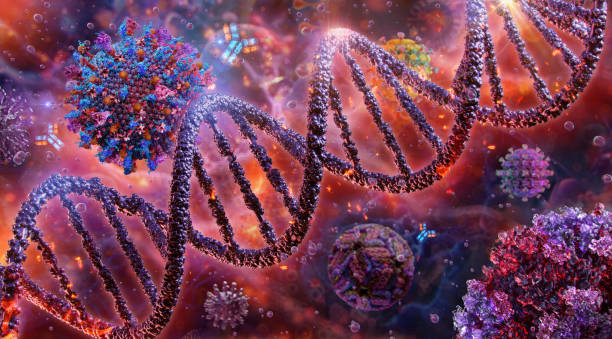
The cytoplasm is a thick, jelly-like fluid that fills the cell. All the organelles float in it. It gives the cell its shape and helps move materials around. Many important chemical reactions happen in the cytoplasm to produce energy and maintain life.
Mitochondria – The Powerhouse
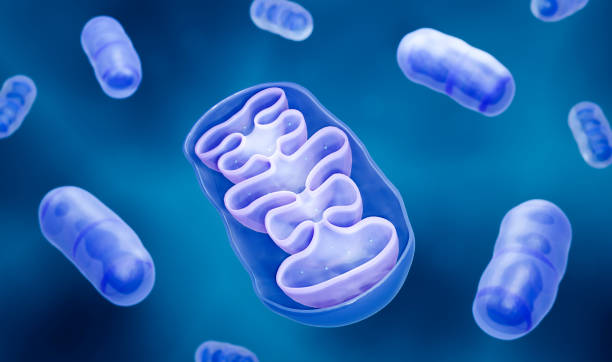
The mitochondria are known as the powerhouse of the cell because they produce energy. They take in food and oxygen and turn them into energy in the form of ATP (adenosine triphosphate).
Without mitochondria, cells couldn’t perform their daily activities — just like a phone can’t work without a charged battery.
Ribosomes – The Protein Builders
Ribosomes are tiny structures that make proteins, which are the building blocks of life. Proteins help build muscles, repair tissues, and support many body functions.
Ribosomes can float freely in the cytoplasm or attach to another organelle called the endoplasmic reticulum.
Endoplasmic Reticulum (ER) – The Production Line
The endoplasmic reticulum (ER) is a network of tubes inside the cell. It helps make and transport materials. There are two types:
Rough ER – covered with ribosomes and helps make proteins.
Smooth ER – makes fats (lipids) and removes harmful chemicals from the cell.
Together, the ER acts like a factory system, producing and shipping vital materials.
Golgi Apparatus – The Post Office
The Golgi apparatus works like a post office inside the cell. It packages and labels proteins and fats made by the ER and sends them to their proper places — either within the Cell Organelles or outside of it. This helps the cell stay organized and efficient.
Lysosomes – The Cleaners
Lysosomes act as the cleaning crew. They contain special enzymes that break down waste materials, old organelles, and germs. This helps keep the cell clean and prevents damage. Without lysosomes, waste would build up and harm the Cell Organelles.
Vacuoles – The Storage Units
Vacuoles are small storage bubbles that hold water, food, and waste. In human cells, vacuoles are smaller than those in plant Cell Organelles, but they still help maintain balance and store important materials.
Centrioles – The Cell Organizers
Centrioles help the cell during cell division. They make sure that DNA is copied correctly and that new cells get equal parts of it. This ensures healthy growth and repair in the body.
Conclusion
Human Cell Organelles are tiny but powerful parts that keep us alive. Each one plays a unique role — from producing energy to cleaning waste and building proteins. Together, they work like a well-organized team to make sure our Cell Organelles— and our bodies — function smoothly.
By understanding Cell Organelles, we can better appreciate how complex and amazing human life truly is. Even though we cannot see them with our eyes, these microscopic structures are the real heroes working silently inside every human being across the world