Trump’s New Bill
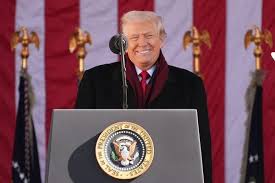
The Trump’s New Bill government is open again. President Donald Trump has signed a bill to fund the government, ending the longest shutdown in American history. This decision brought relief to millions of federal workers and citizens who were affected for over a month.
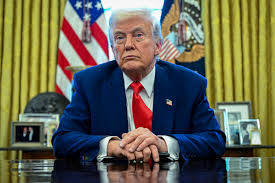
What Happened During the Shutdown
The government shutdown began when President Trump’s New Bill and Congress could not agree on a new spending plan. The main issue was funding for the U.S.–Mexico border wall, which was one of President Trump’s biggest campaign promises. Trump wanted billions of dollars to build the wall, but Democrats refused to include that money in the budget.
Because no deal was made, the government ran out of funding and had to shut down. This meant that many federal agencies stopped working, and about 800,000 government employees were either sent home or had to work without pay.
The shutdown lasted 35 days, making it the longest in U.S. history. It started just before Christmas and ended in late January, leaving many workers struggling to pay bills and support their families.
Impact on Americans
During the shutdown, airports faced delays because some air traffic controllers and security officers were unable to work. National parks were closed or left without staff. Many government services, such as loan processing and food inspections, were delayed.
Federal workers shared their struggles online, and many had to rely on food banks and donations to get by. Public support grew for an end to the shutdown, and both Republicans and Democrats faced pressure to find a solution.
The Deal to End the Shutdown
Finally, President Trump’s New Bill announced that he would sign a short-term funding bill to reopen the government. The new law funds all government departments for three weeks while both parties continue to discuss border security.
This agreement allowed federal employees to return to work and receive back pay for the time they missed. It also reopened public services that had been shut down for over a month.
President Trump said he made the decision to help federal workers and the American people, but he promised to continue fighting for border wall funding. He also warned that if Congress does not agree on border security measures by the end of the short-term funding period, another shutdown could happen or he might declare a national emergency to get the funds.
Reactions from Both Sides
Democratic leaders Nancy Pelosi and Chuck Schumer welcomed the decision to reopen the government. They said the shutdown caused unnecessary pain and that it was time to work together on real border security solutions, not just a wall.
Republican lawmakers also expressed relief that the government was open again. Many of them urged both sides to reach a long-term deal to prevent another shutdown in the future.
Federal workers celebrated the end of the shutdown, though some remained cautious, fearing it could happen again soon.
What Comes Next
The short-term deal gave Congress three weeks to come up with a new border security plan. Lawmakers will need to find a compromise that addresses both national security and humanitarian concerns at the border.
For now, the reopening of the government has brought relief and hope. Millions of Americans are back at work, and the nation can begin to recover from the financial and emotional toll of the shutdown.
Conclusion
President Trump’s New Bill decision to sign the bill and reopen the government ended a historic 35-day shutdown that affected millions of Americans. While the debate over border wall funding is not over, the end of the shutdown marks an important moment of relief and a reminder of the need for cooperation in Washington.
Well done
Great