Commodity Markets
Commodity markets play a big role in the world’s economy. Every day, billions of dollars’ worth of goods like oil, gold, coffee, and wheat are traded. But what exactly are commodity markets, and how do they work? In this article, we’ll explain everything in simple terms so anyone can understand.
What Are Commodity Markets?
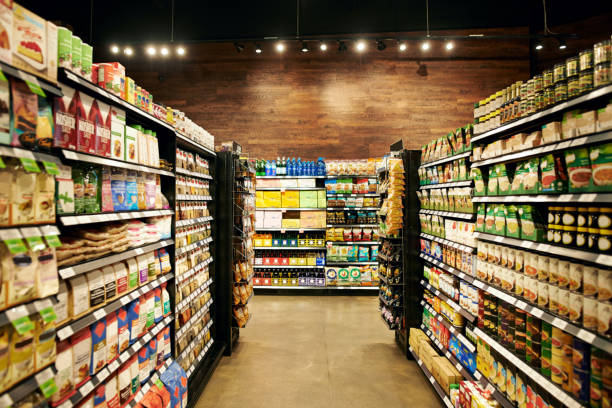
A commodity market is a place where raw materials or primary products are bought and sold. These materials are called commodities. There are two main types:
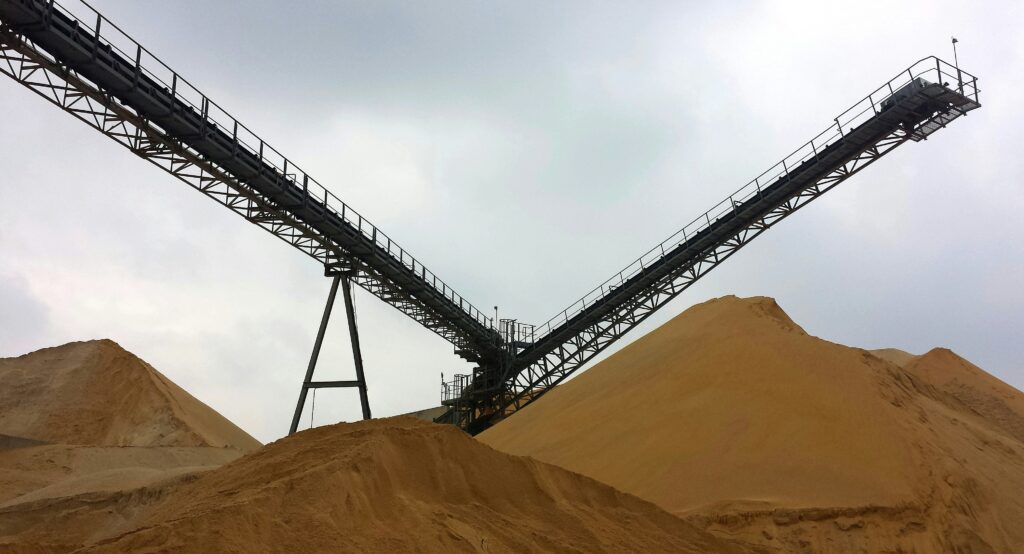
- Hard commodities – natural resources that are mined or extracted, such as gold, oil, or natural gas.
- Soft commodities – agricultural products like coffee, sugar, corn, and wheat.
People trade these commodities because their prices change over time. By trading, buyers and sellers can protect themselves from price changes or even make profits.
How Commodity Trading Works
Commodity trading happens on exchanges, just like stock trading. Some of the biggest commodity markets exchanges in the world are:
Chicago Mercantile Exchange (CME)
New York Mercantile Exchange (NYMEX)
London Metal Exchange (LME)
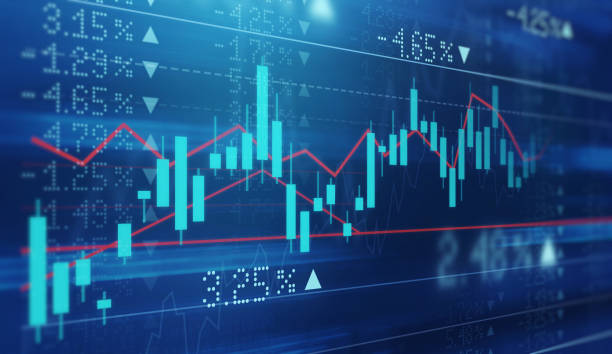
Traders buy and sell contracts for commodities. These are called futures contracts.
A futures contract is an agreement to buy or sell a specific amount of a commodity at a set price on a future date. For example, a coffee farmer might sell a futures contract today to lock in a price for the coffee he will harvest in three months. This helps protect him from the risk that prices might fall before his crop is ready.
Why Do People Trade Commodities?
There are two main reasons people trade commodities:
- Hedging – This is when companies or producers trade to protect themselves from price changes. For example, an airline might buy oil futures to lock in fuel prices and avoid sudden increases.
- Speculation – Traders and investors try to make money by predicting how prices will move. If they think gold prices will rise, they buy gold futures. If prices go up, they sell at a profit.
Factors That Affect Commodity Prices
commodity markets prices change all the time. Here are some of the main reasons why:
Supply and demand: If demand rises but supply stays low, prices go up.
Weather: Poor weather can affect crops and raise food prices.
Political issues: Conflicts or trade restrictions can limit supply.
Global economy: When the economy grows, people use more energy and materials, pushing prices up.
Currency values: Commodities are often priced in U.S. dollars, so when the dollar strengthens, prices can fall.
Benefits of Commodity Trading
Diversification: Commodities can balance your investment portfolio. When stocks fall, commodity prices may rise.
Inflation protection: Commodities often keep their value when prices of goods and services go up.
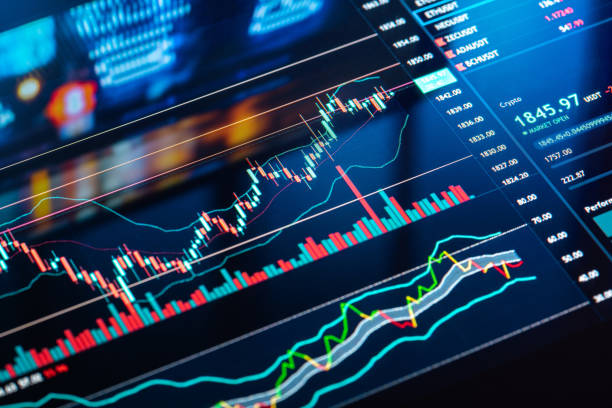
Profit opportunities: Price swings create chances to earn money if you can predict trends correctly.
Risks of Commodity Trading
Like all investments, trading commodities also has risks:
High volatility: Prices can change very quickly.
Leverage risk: Futures trading often uses borrowed money, which can magnify both profits and losses.
Market knowledge: You need to understand global trends, politics, and weather patterns.
Conclusion
The commodity market is an exciting and essential part of the global economy. It connects farmers, miners, manufacturers, and investors worldwide. Whether you’re interested in gold, oil, coffee, or crops, understanding how these markets work can help you make smarter financial decisions.
If you are a beginner, start by learning about how futures contracts operate and what factors influence prices. Over time, you’ll see that commodity markets are not as complicated as they seem—they simply reflect how the world’s resources are valued every day.
Good