Gold and Oil Markets
The gold and oil markets play a big role in the global economy. These two commodities are often called “safe haven” and “energy lifelines,” because they influence everything from the price of goods to the strength of national currencies. Let’s look at how these markets work, what affects their prices, and why they matter for both investors and everyday people.
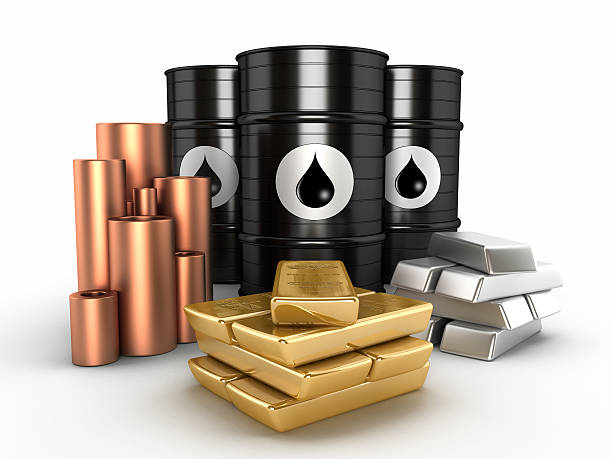
The Gold Market
Gold has been valuable for thousands of years. People use it for jewelry, technology, and, most importantly, as a way to store wealth. Many investors buy gold when they are worried about inflation, political problems, or stock market crashes. This is why gold is often called a “safe haven” asset.
Gold prices are mainly affected by:
- Inflation and Interest Rates: When inflation goes up, people tend to buy gold to protect their money. On the other hand, when interest rates rise, gold prices can fall because investors prefer to earn interest from bonds or savings.
- U.S. Dollar Value: Gold is usually priced in U.S. dollars. If the dollar becomes weaker, gold becomes cheaper for buyers using other currencies, and demand increases.
- Global Uncertainty: Wars, economic crises, and political changes often push investors toward gold for safety.
Gold is traded globally, mostly through futures markets and exchange-traded funds (ETFs). Central banks also hold large gold reserves, which affect its overall supply and demand.
The Oil Market
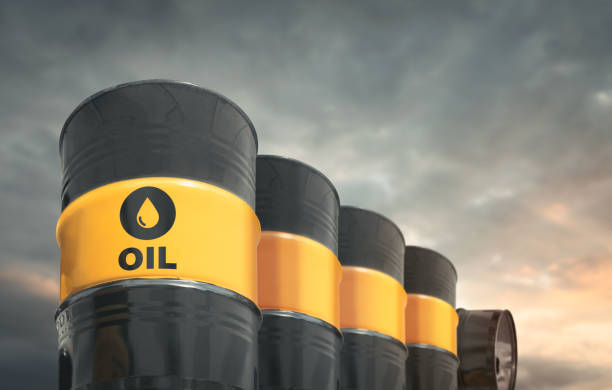
Oil is one of the most important resources in the world. It powers cars, airplanes, factories, and even helps make plastics and chemicals. The oil market is huge, and its price affects nearly every country.
Oil prices depend on several key factors:
- Supply and Demand: When demand is high and supply is low, oil prices rise. When production increases or demand slows down, prices usually drop.
- OPEC Decisions: The Organization of the Petroleum Exporting Countries (OPEC) plays a major role in oil prices. OPEC members decide how much oil to produce, which can raise or lower global prices.
- Geopolitical Events: Conflicts in oil-producing regions, like the Middle East, can cause prices to jump quickly.
- Global Economy: When economies are strong, factories produce more and people travel more, increasing oil demand. During recessions, oil demand often falls.
Oil is traded in two main types: Brent crude (mainly from Europe and the Middle East) and West Texas Intermediate (WTI) (from the U.S.). These two serve as global benchmarks for pricing.
The Connection Between Gold and Oil
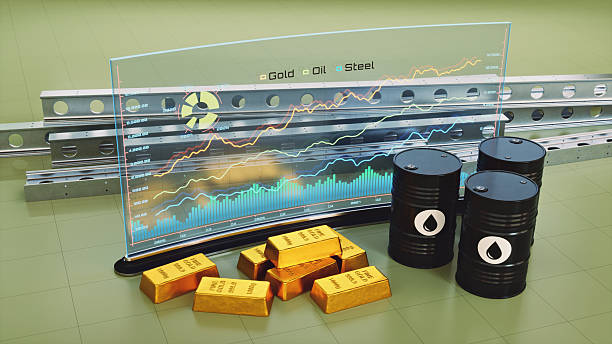
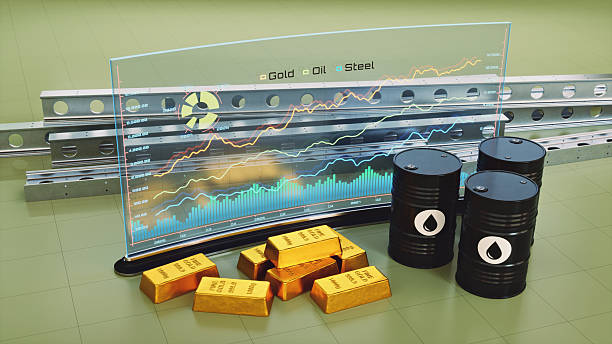
Even though gold and oil are different, they often move in related ways. When Gold and Oil Markets prices rise, inflation can increase, and people may buy more gold to protect their money. On the other hand, if oil prices fall due to weak economic growth, gold prices might also go down as investors look for profits elsewhere.
Gold and Oil Markets are also linked to the strength of the U.S. dollar. When the dollar weakens, both oil and gold often rise in price because they become cheaper for buyers using other currencies.
Why These Markets Matter
For regular people, changes in Gold and Oil Markets affect daily life more than most realize. High oil prices can raise transportation and food costs. Rising gold prices often signal financial uncertainty. For investors, Gold and Oil Markets offer opportunities to protect wealth and diversify portfolios.
Governments and central banks also keep a close eye on gold and oil because they influence inflation, trade balances, and overall economic stability.
Final Thoughts
The gold and oil markets are powerful indicators of global economic health. Gold represents safety and trust, while oil drives modern life and industry. Understanding how these markets work helps people make smarter financial decisions, whether they are investors or simply trying to understand world news.
Both gold and oil will continue to shape economies and investments for years to come — making them essential to watch in an ever-changing world.