Commodity Trading
Commodity trading is one of the oldest forms of trade in the world. It involves buying and selling raw materials or primary goods such as gold, oil, natural gas, wheat, sugar, or cotton. Today, this type of trading has become an important part of the global financial market. In this article, we’ll explain what commodity trading is, how it works, and how beginners can start investing in commodities.
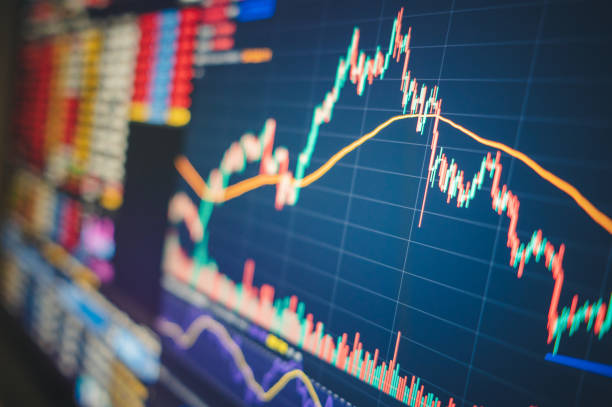
What Is Commodity Trading?
Commodity trading is the process of buying and selling physical goods or contracts for those goods. These goods are usually divided into two main types:
- Hard commodities – These are natural resources that are mined or extracted, such as gold, silver, crude oil, and natural gas.
- Soft commodities – These include agricultural products like coffee, sugar, wheat, corn, and cotton.
The prices of commodities change daily based on supply and demand. For example, if there is a drought that affects crops, the price of wheat may rise. Similarly, if oil production increases, oil prices may drop.
How Commodity Trading Works
Commodity trading can be done in two main ways:
- Spot Market Trading:
In the spot market, commodities are bought and sold for immediate delivery. It means you pay for the commodity and receive it right away. This is common for physical traders or manufacturers. - Futures Market Trading:
In the futures market, traders buy or sell contracts that promise the delivery of a commodity at a future date. This allows investors to make profits based on price changes without physically owning the goods. For example, a trader can buy a gold futures contract if they believe gold prices will rise.
Most modern commodity trading happens through commodity exchanges, such as the Chicago Mercantile Exchange (CME) or the Multi Commodity Exchange (MCX) in India. These exchanges ensure fair pricing and transparency for all participants.
Why People Trade Commodities
Commodity trading offers several benefits to investors:
Diversification: Commodities help balance your investment portfolio. When stock prices fall, commodity prices often rise.
Protection Against Inflation: Commodities like gold and oil tend to hold their value even when inflation increases.
High Liquidity: Most commodities are traded in large volumes, so it’s easy to buy and sell them quickly.
Profit Opportunities: Traders can make money by predicting price movements, whether prices go up or down.

Risks in Commodity Trading
Like any investment, commodity trading comes with risks:
Price Volatility: Commodity prices can change quickly due to weather, politics, or global demand.
Leverage Risk: In futures trading, small changes in prices can lead to big profits—or big losses.
Market Knowledge: Successful trading requires a good understanding of global trends and data.
It’s always best to learn and practice before investing real money.

How to Start Commodity Trading
Here are simple steps to begin:
- Learn the Basics: Understand how markets and contracts work.
- Choose a Reliable Broker: Pick a registered and trusted commodity broker or trading platform.
- Open a Trading Account: Provide the necessary documents and fund your account.
- Start Small: Begin with small investments to gain experience.
- Use Market Tools: Keep an eye on market news, charts, and expert analysis.

Conclusion
Commodity trading can be a great way to diversify your investments and earn profits from global market trends. However, it’s important to understand the market, manage risks, and trade wisely. Whether you’re interested in gold, oil, or agricultural products, learning the basics of commodity trading is the first step toward becoming a successful trader.
Commodity trading offers exciting opportunities for investors who want to participate in the global economy. By understanding how it works and staying informed about market shifts, anyone can start their journey in 2025 with confidence.
сервисный центр бош сервисный центр бош в москве
Здравствуйте все! Думаю поделиться небольшим лайфхаком по обнаружению cookies в браузере. Регулярно происходит, что следует быстро найти конкретные файлы куки, чтобы понять кэшированными данными или убрать определенные куки. Для этого можно применить специальными утилитами и утилитами, которые серьёзно ускоряют процесс.
В случае если планируете применить нечто функциональное, советую исследовать вот этот ресурс Поиск печенек , где полно раскрыты методы нахождения и работы с cookies в различных браузерах. Это реально экономит время и поддерживает лучше понимать, что в частности кэшируется на личном устройстве. Надеюсь, кто-то посчитает это ценным!