Currency Exchange Rates
Currency exchange rates play an important role in our daily lives, even if we do not notice it. Whether you are shopping online from another country, sending money abroad, traveling, or running a business, exchange rates decide how much your money is worth in another currency. In this article, we will explain what currency rates are, how they work, and why they keep changing—all in simple, easy-to-understand words.
Thank you for reading this post, don't forget to subscribe!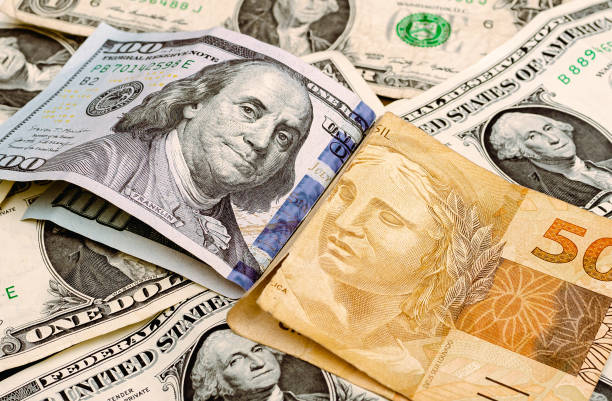
What Is a Currency Exchange Rate?
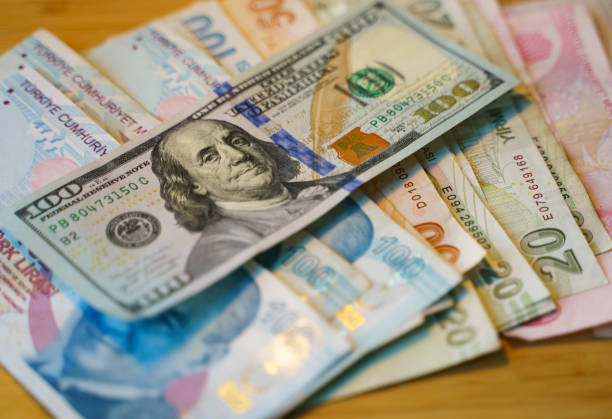
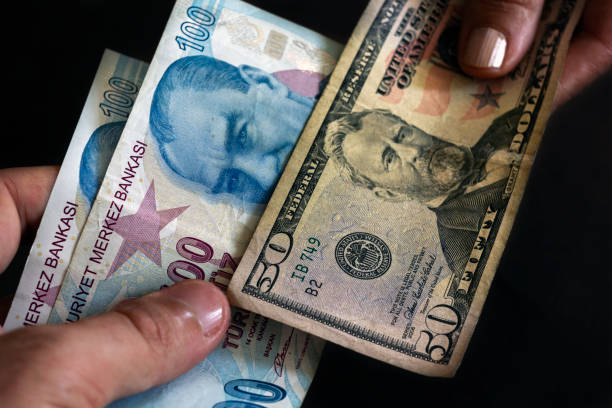
A currency exchange rate is the value of one country’s money compared to another country’s money. For example, if 1 US dollar equals 80 Indian rupees, the exchange rate is 1 USD = 80 INR. This tells us how much of one currency you get in return for another.
Exchange rates help people trade, travel, and do business across borders. Without them, buying or selling anything internationally would be confusing and difficult.
Why Do Exchange Rates Change?
You may notice that currency rates do not stay the same. They go up and down daily, and sometimes even hourly. Several factors cause these changes:
- Supply and Demand
Just like products in a market, currencies also depend on supply and demand. If more people want a currency, its value increases. If fewer people need it, the value decreases.
- Inflation
Inflation means the rising price of goods and services. Countries with low inflation usually have stronger currencies because their money holds value better.
- Interest Rates
When a country’s central bank changes interest rates, it affects the currency. Higher interest rates often attract foreign investors, which increases the demand for the currency and raises its value.
- Political Stability
Countries with stable governments generally have stronger and more trustworthy currencies. If a country faces political problems, wars, or uncertainty, its currency may drop in value.
- Economic Growth
A strong economy attracts foreign business and investment. When investors put money into a country, the currency becomes stronger.

Types of Exchange Rates
There are two main types of exchange rate systems:
- Fixed Exchange Rate
In a fixed system, the government or central bank controls the currency’s value. It does not change often. Some Middle Eastern countries use this method.
- Floating Exchange Rate
In a floating system, the exchange rate changes based on market conditions. Most countries, like the USA, India, and the UK, use this system.
Why Are Currency Rates Important?
Exchange rates affect many parts of the economy:
- Travel
When you travel to another country, you need to exchange your money. A strong currency means your money will buy more in another country.
- Online Shopping
If you buy something online from another country, exchange rates decide how much you pay in your local money.
- International Business
Companies that export or import goods depend heavily on exchange rates. A strong or weak currency can change their profits.
- Overseas Education and Jobs
Students studying abroad and workers sending money home feel the impact of currency changes directly.
How to Check Currency Rates
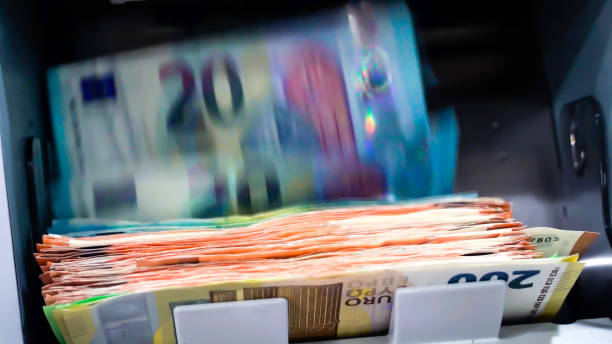
You can easily check exchange rates using:
Bank websites
Currency converter apps
Financial news platforms
Forex trading websites
Always compare rates before making any major transaction so you get the best value.
Conclusion
Currency exchange rates may seem complicated at first, but they are simply the price of one currency compared to another. These rates change for many reasons, including inflation, economic strength, and global demand. Understanding how they work can help you make better decisions when traveling, shopping online, running a business, or sending money abroad.