Humanitarian Crisis
Sudan Humanitarian Crisis is facing one of the world’s worst humanitarian crises today. The country, located in northeastern Africa, has been suffering from years of conflict, economic hardship, and political instability. Since fighting broke out in April 2023 between the Sudanese Armed Forces (SAF) and the Rapid Support Forces (RSF), millions of people have been displaced, and thousands have lost their lives. Families are struggling to find food, water, shelter, and safety. This article explains Sudan’s humanitarian crisis in simple terms — what caused it, how it affects the people, and what can be done to help.
Thank you for reading this post, don't forget to subscribe!
The Main Causes of the Crisis
The roots of Sudan’s Humanitarian Crisisare deep and complex, but three main causes stand out: conflict, poverty, and political instability.
- Armed Conflict:
The current war between the SAF and RSF started as a power struggle between military leaders. Both sides want control of the country, and the fighting has destroyed homes, hospitals, and schools. Civilians are caught in the middle, and many are forced to flee for safety. - Economic Collapse:
Even before the war, Sudan’s economy was struggling. Inflation made basic goods like food and medicine too expensive for most families. The fighting has made things worse by cutting off trade routes and closing markets. Many people now rely on humanitarian aid to survive. - Political Instability:
Since the fall of former president Omar al-Bashir in 2019, Sudan has been trying to build a democratic government. However, political divisions and lack of trust between military and civilian leaders have prevented progress. This instability has made it harder to solve the country’s problems peacefully.
The Human Impact
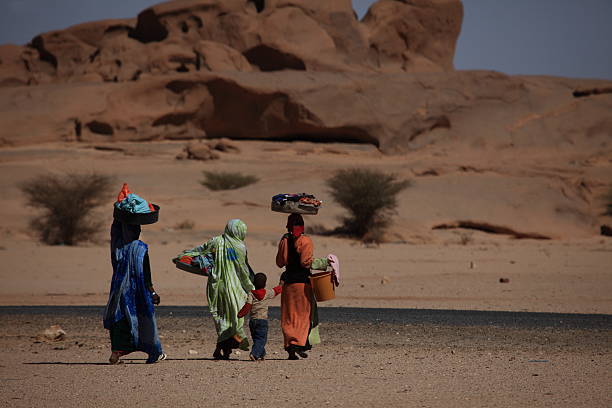
The numbers show the scale of the suffering in Sudan Humanitarian Crisis. According to the United Nations, over 25 million people — more than half the population — need humanitarian assistance. Around 8 million people have been forced to leave their homes, either moving within Sudan or crossing borders into neighboring countries like Chad, South Sudan, and Egypt.
- Hunger and Malnutrition:
Food shortages are a serious problem. Farms have been destroyed, markets are unsafe, and aid deliveries are often blocked by fighting. Millions of children suffer from malnutrition, which puts their lives at risk. - Healthcare Crisis:
Hospitals and clinics have been damaged or abandoned. There is a lack of doctors, medicine, and clean water. Diseases like cholera and malaria are spreading quickly in overcrowded camps. - Education Lost:
Many schools are closed, leaving millions of children without education. This not only affects their future but also increases the risk of child labor and early marriage. - Women and Children in Danger:
Women and girls face extreme risks, including gender-based violence. Many are separated from their families, making them even more vulnerable.
Global Response and Challenges
International organizations like the UN, Red Cross, and World Food Programme (WFP) are working hard to deliver aid. However, they face many challenges — dangerous roads, lack of funding, and restricted access to some areas. Many aid workers have also been attacked or forced to leave.
So far, less than half of the money needed for humanitarian programs in Sudan has been received. Without more support from the global community, millions will continue to suffer.
Hope and the Way Forward
Despite the hardships, there is still hope for Sudan. Local communities, volunteers, and aid workers continue to help those in need. Peace talks and diplomatic efforts are ongoing, though progress is slow. For real change to happen, all sides must agree to stop fighting and allow aid to reach people safely.
The international community can also help by increasing humanitarian funding, supporting peacebuilding efforts, and protecting refugees.
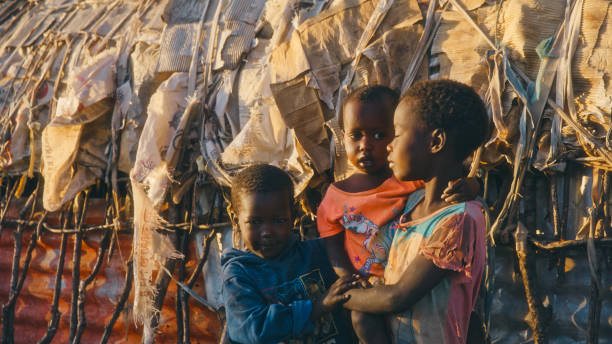
Conclusion:Humanitarian Crisis
Sudan’s humanitarian crisis is a tragedy that affects millions of innocent lives. It is a crisis born from war, poverty, and political division, but with unity, compassion, and global support, recovery is possible. The world must not forget Sudan Humanitarian Crisis — because every person deserves peace, food, and hope for a better tomorrow.