Local Games:
Local games have always been an important part of every culture. They are more than just a way to pass time — they bring people together, teach teamwork, and keep traditions alive. Even in today’s world of video games and smartphones, local games still hold a special place in the hearts of many people.
Thank you for reading this post, don't forget to subscribe!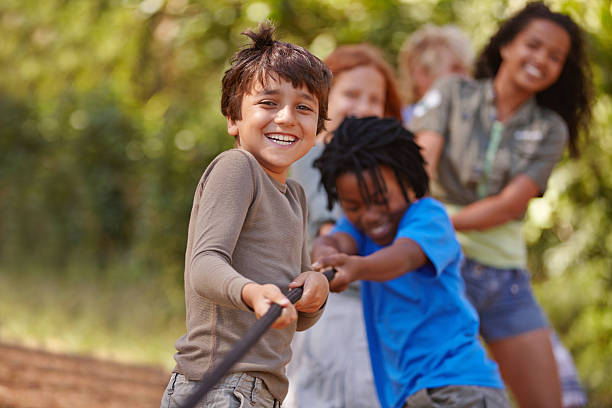
What Are Games?
Local games are traditional games that people play in villages, towns, and neighborhoods. They do not need expensive equipment or technology. Most of these games are played outdoors, in open areas like streets, school grounds, or fields. Some popular examples include hide and seek, hopscotch, tag, marbles, spinning tops, and tug of war. Each country and region has its own unique games that reflect its culture and lifestyle.
Why Local Games Are Important
games are not just fun; they also help build community spirit. When children or even adults play together, they learn how to cooperate, share, and communicate. These games teach important life lessons like patience, honesty, and teamwork.
Unlike digital games, which often make people sit alone in front of a screen, games encourage physical activity and face-to-face interaction. Running, jumping, or throwing helps players stay fit and energetic. These games also allow people of all ages to bond with each other, building friendships and strong community ties.
Cultural Value of Games
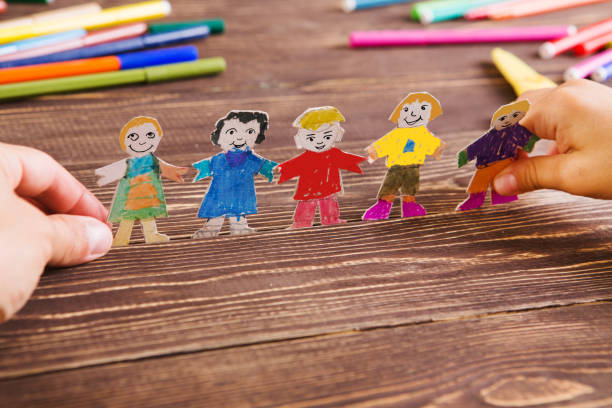
Every game has a story behind it. Many of these games have been passed down from generation to generation. They show how people used to live, what they valued, and how they found joy in simple things. For example, in India, games like kabaddi and gilli danda are still played in villages and small towns. In Africa, games like mancala or ayo are played with stones or seeds, teaching math and strategy in a fun way.
These games are not just entertainment; they are living traditions. They keep our cultural roots alive and help young people understand their heritage. When communities organize local game events or festivals, they also promote cultural unity and pride.

Educational Benefits of Local Games
games help children learn many skills in a natural way. They improve focus, memory, and problem-solving. For example, playing marbles or skipping rope helps with counting and coordination. Team games like tug of war or kabaddi teach leadership and teamwork.
In schools, teachers can include local games as part of physical education. This makes learning fun and helps students stay active. It also connects them to their cultural identity, which is often missing in modern education.

Local Games in Modern Times
Today, many children spend most of their time playing mobile or computer games. Because of this, they may not know about traditional local games. However, many organizations and communities are now trying to bring these games back. They organize sports festivals, summer camps, and cultural events where people can enjoy local games again.
Parents and teachers also play a big role in keeping these games alive. By encouraging children to play outside, they help them discover the joy of simple, creative play. Playing local games can be a great way to take a break from screens, reduce stress, and build real connections with others.

Conclusion
Local games are a treasure from our past that still have great value today. They teach us teamwork, respect, and joy through play. They connect us to our culture and remind us that happiness doesn’t always come from technology — sometimes, it’s found in a simple game played with friends under the open sky.
By reviving local games, we can make our communities stronger, healthier, and happier. So next time, instead of picking up your phone, step outside and play a local game — you’ll not only have fun but also become part of a timeless tradition.