Stocks Bounce Back
The Stocks Bounce Back is full of ups and downs. Prices rise and fall due to economic changes, company performance, and investor emotions. But one of the most interesting things about the market is how it often recovers after a fall. This process is called the Stocks Bounce Back. Understanding this factor can help investors stay calm during market drops and make smarter investment choices for the future.
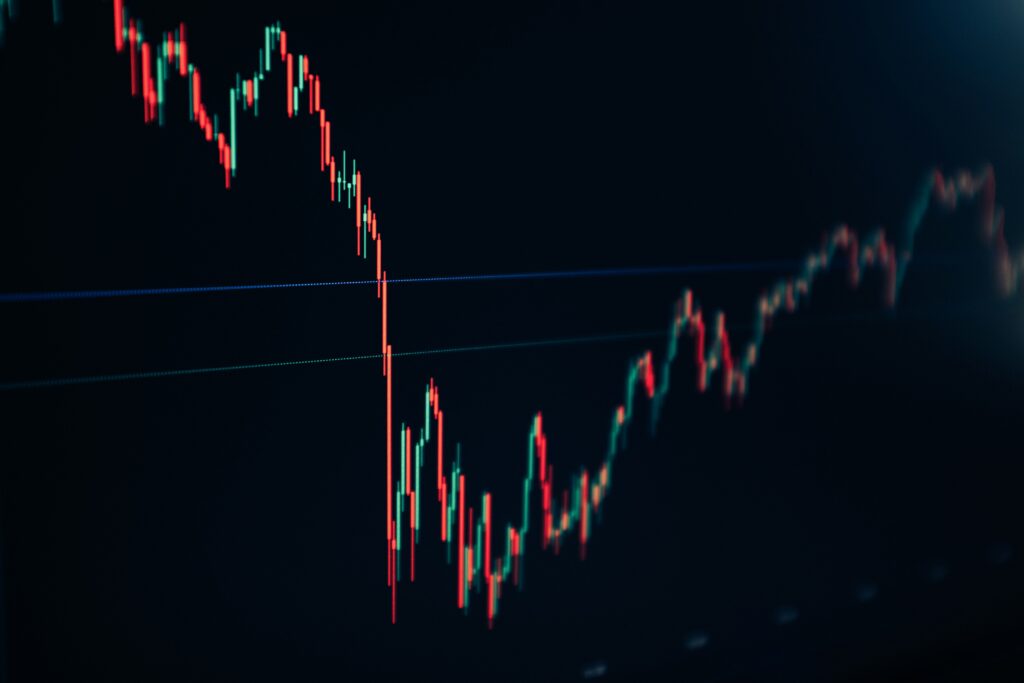
Thank you for reading this post, don't forget to subscribe!After a period of significant volatility, the stock market is demonstrating a strong recovery, driven by renewed investor confidence, improving economic indicators, and robust corporate earnings. Key sectors such as technology, finance, and consumer goods are leading the rebound, reflecting a positive shift in market sentiment. This resurgence is further supported by stabilizing inflation rates, strategic monetary policies, and increasing capital inflows from both institutional and retail investors. As momentum builds, the recovery not only restores previous losses but also signals potential for sustained long-term growth across global markets.
What Is the Stock Recovery Factor?
The Stocks Bounce Back refers to how quickly and strongly a stock or the overall market returns to its previous levels after a period of decline. It’s a measure of resilience — the ability of a stock to bounce back after being hit by negative events like recessions, global crises, or poor earnings reports.
For example, during the 2020 COVID-19 market crash, many stocks fell sharply in March. However, several major companies recovered within months as the economy started to stabilize. That rebound demonstrated a strong recovery factor.

Why the Stocks Bounce Back Matters
Investors care about the recovery factor because it helps them:
- Understand market behavior – Knowing how markets typically recover helps prevent panic selling.
- Plan long-term investments – If you know certain sectors Stocks Bounce Back faster, you can invest with more confidence.
- Measure risk – Stocks with a low recovery factor may be riskier during uncertain times.
In simple terms, a strong recovery factor gives investors hope that “what goes down can come back up.”
Factors That Affect Stock Recovery
Several key elements influence how well a stock or market recovers:
- Company Fundamentals – Strong balance sheets, consistent cash flow, and good management help a company recover faster.
- Investor Confidence – When investors believe in a company’s future, buying increases and prices rise again.
- Economic Conditions – Low interest rates, government stimulus, or positive job reports can push stocks higher.
- Industry Trends – Some sectors, like technology or healthcare, tend to bounce back faster due to constant innovation.
- Market Sentiment – Emotional reactions play a big role. When fear fades and optimism returns, recovery speeds up.

Historical Examples of Stock Recovery
Let’s look at some real-life examples:
2008 Financial Crisis: The U.S. market lost nearly 50% of its value but recovered fully by 2013.
COVID-19 Pandemic (2020): The market dropped sharply but reached new highs within the same year, showing a very high recovery factor.
Dot-com Crash (2000): Tech stocks took longer to recover, showing that not all industries Stocks Bounce Back at the same pace.
These examples remind investors that patience is key — recovery may take months or years, but it often happens.
How Investors Can Use This Knowledge
Understanding the stock recovery factor can help investors make smarter decisions. Here’s how:
- Stay Invested: Don’t rush to sell during downturns; markets often rebound.
- Diversify: Invest in a mix of industries with proven recovery strength.
- Focus on Fundamentals: Choose companies with strong earnings and growth potential.
- Think Long Term: Short-term losses are normal; long-term patience often pays off.
Conclusion
The Stock Recovery Factor is a powerful reminder that downturns are not the end of the story. History shows that the stock market has an incredible ability to recover, often stronger than before. For investors, the key is to stay informed, stay calm, and think long term. By understanding how and why stocks recover, you can turn market volatility into opportunity.
weed delivery same day options available