Introduction
Depression is one of the most common mental health problems in the world today. Many people experience sadness or stress at some point, but mental stress is more than just feeling low for a few days. It affects how a person thinks, feels, and behaves. mental stress can make daily life hard, but the good news is that it can be treated. With the right support and care, people can overcome it and live a happy life again.
Thank you for reading this post, don't forget to subscribe!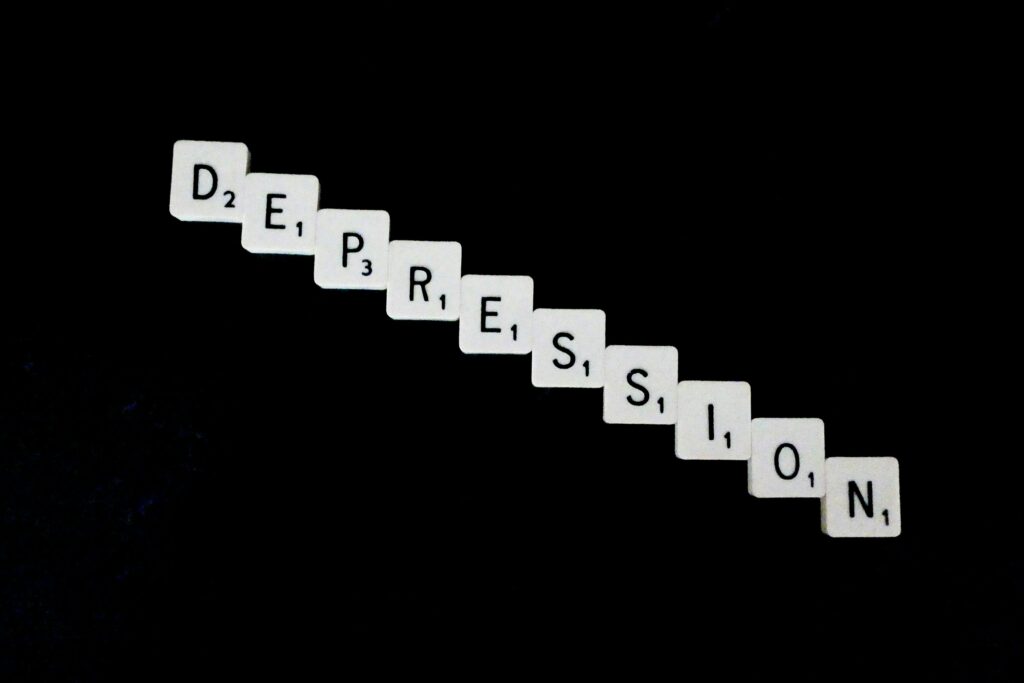
What Is Depression?
Depression is a serious mood disorder that causes a person to feel sad, empty, or hopeless for a long period of time. It is not a sign of weakness or something that someone can just “snap out of.” Depression changes how a person thinks and feels about themselves, their future, and even their surroundings. It can affect sleep, eating habits, work performance, and relationships.
Depression is a mood disorder that affects how you think, feel, and behave. It can interfere with daily life, relationships, and even physical health. It’s not a sign of weakness — it’s a medical condition that requires attention and care.

Common Causes of Depression
There isn’t one single cause of depression. Instead, it usually happens because of a mix of different factors, such as:
- Stressful Life Events: Losing a loved one, relationship problems, job loss, or financial stress can lead to depression.
- Genetics: If someone in your family has suffered from depression, you may have a higher risk.
- Health Problems: Chronic illness, hormonal changes, or certain medical conditions can trigger mental stress.
- Personality: People who have low self-esteem or are easily stressed may be more likely to experience mental stress.
- Substance Abuse: Alcohol or drug use can worsen or cause mental stress over time.
Symptoms of Depression
The symptoms of can vary from person to person, but some common signs include:
Feeling sad or empty most of the time
Losing interest in things once enjoyed
Changes in appetite or weight
Trouble sleeping or sleeping too much
Feeling tired or without energy
Difficulty focusing or making decisions
Feeling worthless or guilty
Thoughts of death or suicide
If these symptoms last for more than two weeks, it’s important to talk to a doctor or mental health professional.

How to Overcome Depression
While depression can feel overwhelming, there are many effective ways to manage and overcome it:
- Seek Professional Help:
Talking to a psychologist, counselor, or psychiatrist can make a big difference. Therapy and medication are common and effective treatments. - Stay Active:
Exercise helps release “feel-good” chemicals in the brain called endorphins, which can lift your mood naturally. - Eat a Balanced Diet:
Healthy foods like fruits, vegetables, whole grains, and proteins can improve mental health and energy levels. - Connect with Others:
Talking to friends or family members about your feelings can provide comfort and reduce loneliness. - Get Enough Sleep:
A proper sleep routine helps your body and mind recover, improving emotional well-being. - Avoid Alcohol and Drugs:
These substances can make depression worse and stop medications from working properly. - Practice Mindfulness or Meditation:
Relaxation techniques like deep breathing, meditation, or yoga can calm the mind and reduce stress.

When to Get Help
If depression becomes too heavy to handle alone, it’s important to reach out for help. There’s nothing wrong with asking for support. In fact, it’s a sign of strength. Mental health professionals can create a plan that fits your needs and helps you recover step by step.

Conclusion
mental stress is a serious but treatable condition. It can happen to anyone, regardless of age, gender, or background. Understanding the signs and causes is the first step toward healing. Remember, you are not alone, and help is always available. With the right care, self-love, and support, you can overcome depression and live a brighter, happier life.