Introduction
Self Care: we often forget to take care of ourselves. We spend time working, helping others, and running after goals—but we forget that our own mind and body also need attention. Self-care means taking time to do things that make you feel healthy, calm, and happy. It is not selfish; it’s necessary for a balanced and peaceful life.
Thank you for reading this post, don't forget to subscribe!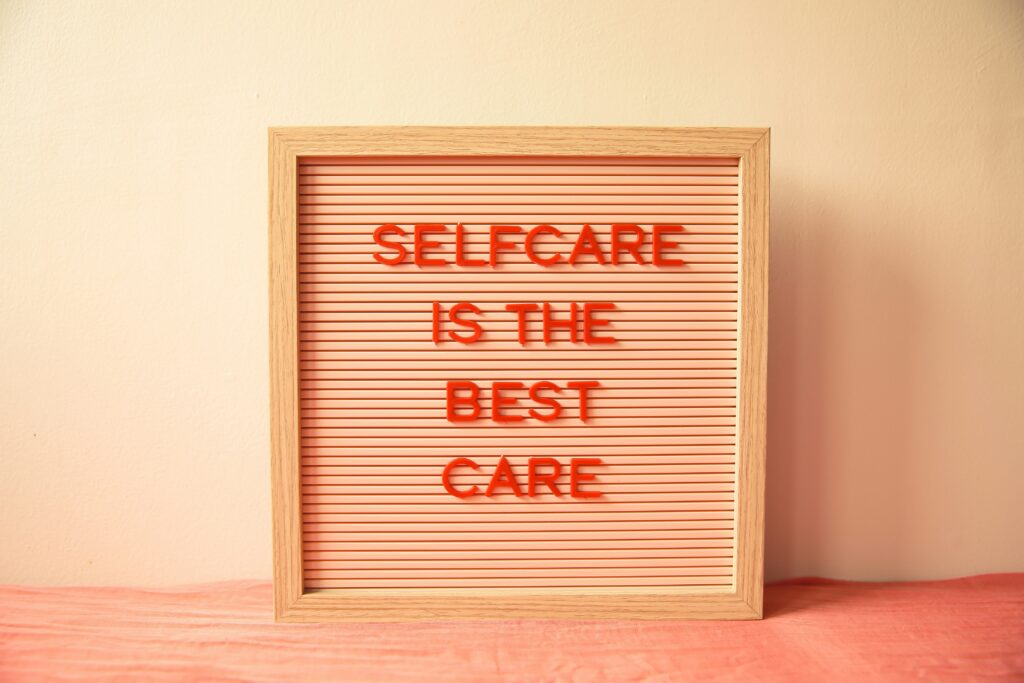
What Is Self Care?
Self care means looking after your mental, emotional, and physical health. It’s about doing small things that help you feel better and stay strong. For some people, self-care means reading a book, taking a walk, or enjoying quiet time. For others, it might be spending time with friends, cooking a favorite meal, or simply resting.
Self care doesn’t need to be expensive or fancy. It’s about listening to your body and mind and giving them what they need.

Why Is Self Care Important?
Self care is important because it helps you stay healthy and happy. When you take care of yourself, you can handle stress better and think more clearly. Here are some reasons why self-care matters:
- Reduces Stress: Simple activities like deep breathing, meditation, or listening to music can calm your mind.
- Improves Mood: Doing things you enjoy helps you feel more positive and motivated.
- Boosts Energy: Proper rest and nutrition give your body the energy it needs.
- Builds Confidence: When you care for yourself, you feel good about who you are.
- Prevents Burnout: Regular breaks and relaxation keep you from feeling overwhelmed.
Remember, when you take care of yourself, you’re also better able to care for others.

Why Self Care Matters?
Self care isn’t selfish — it’s essential for overall health. When you take time to rest, recharge, and nurture yourself, you build resilience against stress and prevent burnout. Regular self-care improves your mood, boosts energy, strengthens relationships, and even enhances productivity.
Research shows that people who practice self-care regularly experience lower levels of anxiety and depression, improved focus, and better physical health. In short, taking care of yourself helps you take better care of others.

Types of Self Care
Self-care comes in many forms. Here are the main types:
- Physical Self Care:
This includes exercise, eating healthy food, getting enough sleep, and staying hydrated. Physical health affects your energy and mood. - Mental Self-Care:
Keeping your mind active and peaceful is just as important. You can try journaling, reading, solving puzzles, or learning new things. - Emotional Self-Care:
This means expressing your feelings instead of keeping them inside. Talk to someone you trust, or spend time doing things that bring you joy. - Social Self-Care:
Spend time with friends and family who make you feel loved and supported. Healthy relationships are a big part of happiness. - Spiritual Self-Care:
For some, this might mean prayer, meditation, or spending time in nature. It’s about finding peace and purpose within yourself.

Simple Self-Care Tips for Everyday Life
You don’t have to make big changes to practice self-care. Try these simple ideas:
Take a short walk every day.
Drink more water and eat fresh foods.
Limit screen time and get enough sleep.
Write down three things you’re thankful for each day.
Listen to your favorite music or podcast.
Take deep breaths when you feel stressed.
Spend time with people who make you happy.
Say “no” when you need to rest.
Small habits can make a big difference over time.

Conclusion
Self-care is not a luxury—it’s a necessity. By taking care of yourself, you build the strength to face life’s challenges with a calm and positive mind. Remember, you deserve rest, love, and kindness too. Start today with small steps, and make self-care a natural part of your everyday life.

Taking care of yourself is the first step toward a happier and healthier you.