Introduction
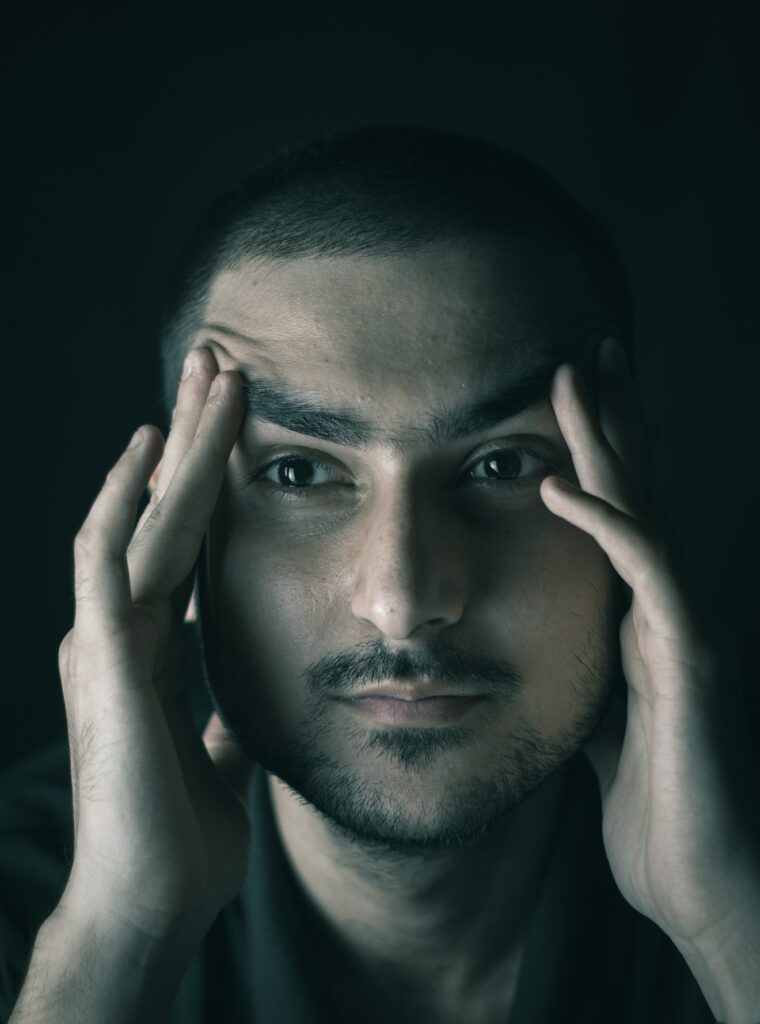
Mental illness is one of the most common health issues in the world today. It affects the way people think, feel, and behave. Just like physical illnesses such as diabetes or heart disease, mental illness is real and needs care and treatment. Sadly, many people still misunderstand mental health problems or feel ashamed to talk about them. Understanding mental illness can help us support ourselves and others better.
Thank you for reading this post, don't forget to subscribe!Mental illness remains one of the most critical public health issues in 2025. Despite growing awareness and medical advances, millions of people worldwide continue to struggle silently with conditions that affect their thoughts, emotions, and behaviors. Understanding mental illness—its causes, symptoms, and available treatments—is the first step toward building a healthier and more compassionate society.

What Is Mental Illness?
Mental illness refers to a wide range of mental health conditions that affect mood, thinking, and behavior. Some common types include depression, anxiety disorders, bipolar disorder, schizophrenia, and eating disorders. These conditions can be short-term or long-term and can range from mild to severe.
Everyone experiences sadness, stress, or worry at times, but mental illness goes beyond normal emotional ups and downs. It can interfere with daily life, relationships, and work or school performance.
Causes of Mental Illness
There is no single cause of mental illness. It usually results from a combination of several factors, such as:
- Genetics: Mental health conditions can run in families. If a close family member has a mental illness, others may have a higher chance of developing one too.
- Brain Chemistry: Imbalances in brain chemicals (called neurotransmitters) can affect mood and behavior.
- Trauma and Stress: Difficult life experiences such as abuse, neglect, the loss of a loved one, or extreme stress can trigger mental health problems.
- Environment: A stressful or unstable home, poverty, or discrimination can also increase the risk.
- Physical Health: Chronic illness, substance abuse, or lack of sleep can negatively affect mental health.

Common Symptoms
The signs of mental illness vary depending on the type and severity. However, some common symptoms include:
Persistent sadness or hopelessness
Extreme mood changes
Constant fear, anxiety, or worry
Withdrawal from friends and activities
Difficulty concentrating or making decisions
Changes in sleep or appetite
Thoughts of self-harm or suicide
It’s important to remember that these symptoms can happen to anyone. The key is how long they last and how much they affect daily life.
How to Get Help
The good news is that mental illness can be treated. The first step is to talk about it. Seeking help is a sign of strength, not weakness.

Here are some ways to get help:
- Talk to Someone You Trust: Share your feelings with a friend, family member, or counselor.
- Visit a Doctor or Mental Health Professional: Therapists, psychologists, and psychiatrists can diagnose and treat mental health conditions.
- Medication and Therapy: Depending on the illness, treatment may include medication, therapy, or both. Common therapies include cognitive behavioral therapy (CBT), which helps change negative thought patterns.
- Self-Care: Healthy habits like regular exercise, good sleep, meditation, and balanced nutrition can improve mood and energy levels.
- Support Groups: Joining a group of people who share similar experiences can provide comfort and understanding.
Why Awareness Matters
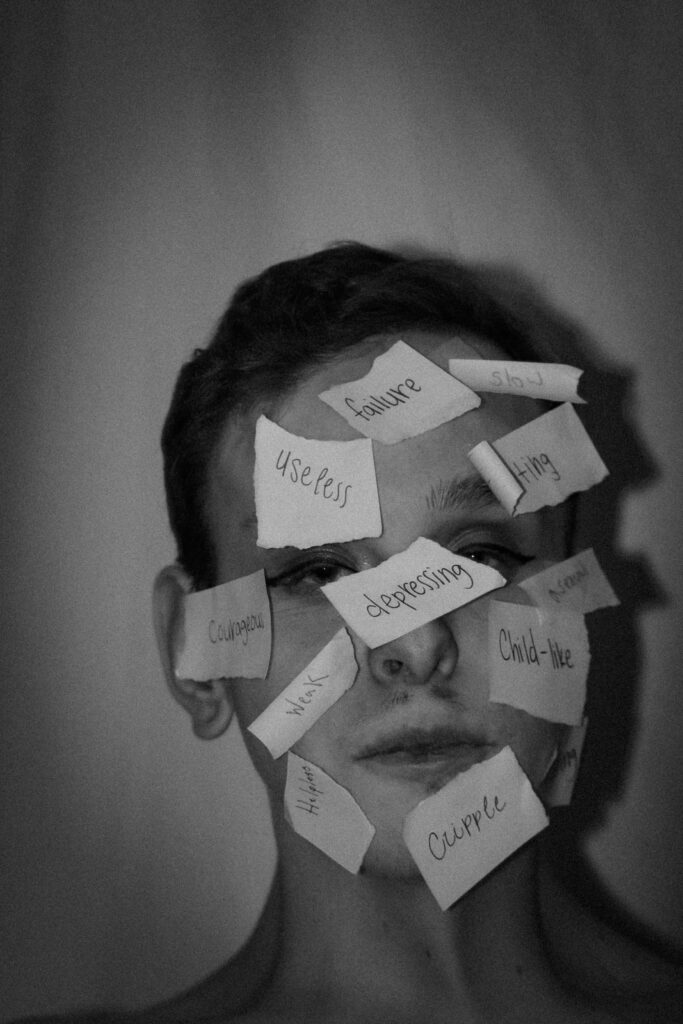
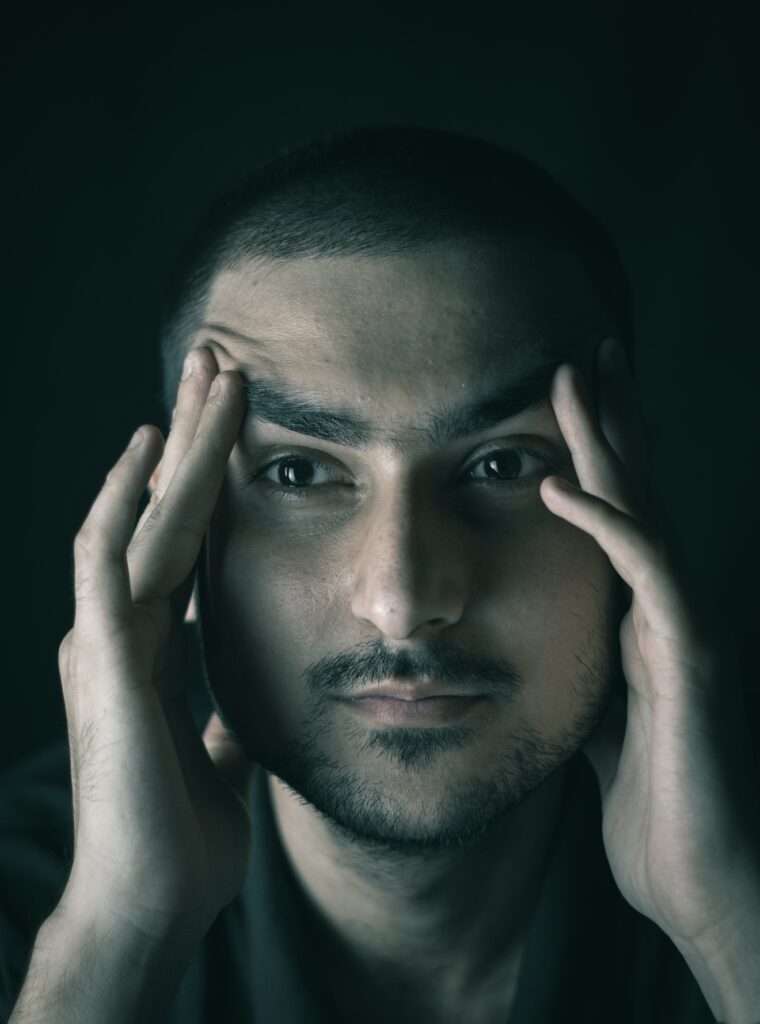
Talking openly about mental illness helps break the stigma. Many people suffer in silence because they fear being judged. Awareness encourages compassion and makes it easier for people to seek help early. Schools, workplaces, and communities should promote mental health education so everyone knows how to recognize symptoms and support others.
Final Thoughts
Mental illness is not a personal failure — it’s a medical condition that can affect anyone. With understanding, early support, and proper treatment, recovery is possible. If you or someone you know is struggling, reach out for help. You are not alone.