Digital marketing has become the backbone of modern business strategies. In today’s fast-paced, tech-driven world, brands that fail to adopt risk being left behind. With billions of people using the internet daily, businesses now have unprecedented opportunities to connect with their audience, build relationships, and increase sales. This article explores what is, its importance, key strategies, and how businesses can leverage it for growth.
Thank you for reading this post, don't forget to subscribe!
What is Digital Marketing?
Digital marketing refers to promoting products, services, or brands through online channels such as search engines, websites, social media, email, and mobile apps. Unlike traditional marketing, allows businesses to directly reach their target audience with measurable results. It’s cost-effective, data-driven, and offers real-time performance tracking.
In essence, bridges the gap between businesses and consumers in a world where online activity dominates daily life.
Importance of Digital Marketing in 2025
The importance of digital marketing continues to grow year after year. Here are a few reasons why businesses must invest in it:
- Wider Reach – The internet allows businesses to reach global audiences instantly.
- Cost-Effective – Compared to TV or print ads, digital marketing offers affordable solutions with higher returns.
- Targeted Campaigns – Tools like Google Ads and Facebook Ads enable precise targeting based on demographics, interests, and behavior.
- Measurable Results – Analytics provide insights into campaign performance, helping businesses optimize strategies.
- Consumer Engagement – Social media platforms create direct communication channels between brands and customers.
In 2025, with more consumers relying on online platforms for shopping, entertainment, and learning, digital marketing has become not just an option but a necessity.
Key Digital Marketing Strategies
There are several pillars of digital marketing that every business should explore:
Search Engine Optimization (SEO)
SEO ensures your website ranks higher on search engine results pages (SERPs). It involves keyword research, quality content, backlinks, and on-page optimization. A strong SEO strategy drives organic traffic and builds long-term credibility.
Content Marketing
“Content is king” still holds true. Blogs, videos, podcasts, and infographics attract and engage users while establishing authority in your niche. High-quality content also fuels SEO and social media campaigns.
Social Media Marketing
Platforms like Facebook, Instagram, LinkedIn, and TikTok help businesses build communities, run ads, and interact with customers. Social media humanizes your brand and boosts visibility.
Email Marketing
Despite being one of the oldest forms of digital marketing, email remains highly effective. Personalized emails nurture leads, increase conversions, and retain loyal customers.
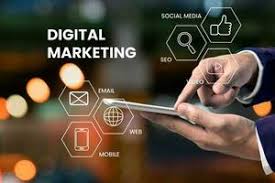
Email marketing is one of the most effective digital marketing strategies for building strong customer relationships. It allows businesses to send personalized messages, promotions, and updates directly to their audience’s inbox. With automation tools, brands can segment their audience and deliver targeted campaigns that increase engagement. Compared to other channels, email marketing is cost-effective and delivers a high return on investment (ROI). When done correctly, it helps drive sales, nurture leads, and boost customer loyalty.
Pay-Per-Click (PPC) Advertising
PPC ads appear on search engines and social platforms, giving businesses instant visibility. With the right targeting, PPC campaigns can generate high-quality leads quickly.
Influencer Marketing
Collaborating with influencers allows brands to tap into existing audiences and build trust. In 2025, micro-influencers are proving particularly effective due to their authentic engagement.
Analytics and Data-Driven Marketing
Successful digital marketing relies on data. Businesses must use tools like Google Analytics, SEMrush, or HubSpot to monitor performance and adjust strategies accordingly.

Future of Digital Marketing
The future of digital marketing lies in AI, automation, voice search, and personalization. AI-driven chatbots, predictive analytics, and personalized content are already shaping customer experiences. Meanwhile, video content and short-form platforms like TikTok continue to dominate consumer attention.
Brands that embrace emerging technologies and prioritize customer-centric strategies will thrive in the digital age.
Conclusion
Digital marketing is no longer just a trend—it’s the foundation of modern business growth. From SEO and content marketing to social media and paid ads, digital strategies empower businesses to connect, engage, and convert audiences worldwide. As we move deeper into 2025, companies that invest in digital marketing will enjoy stronger brand visibility, higher conversions, and long-term success.